Sapphire FUE vs Standard FUE - What Actually Differs
Sapphire FUE and standard FUE differ at exactly one stage - the incision blade. A direct, hype-free comparison of what that change really alters, what stays identical, and how clinics decide which blade belongs in their workflow.
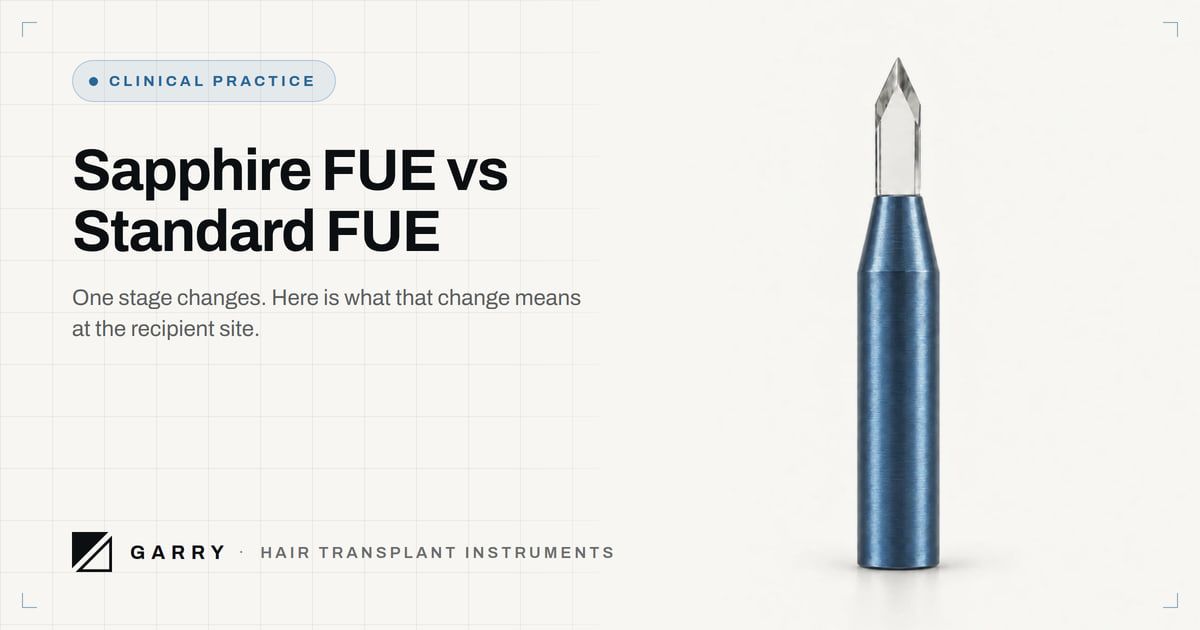
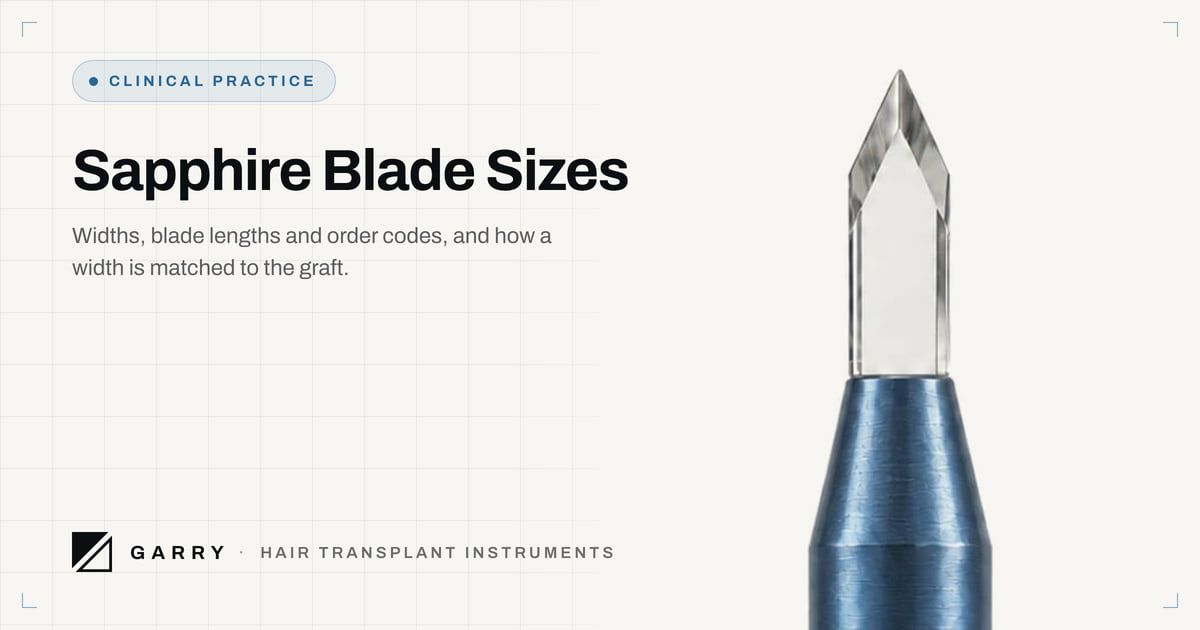
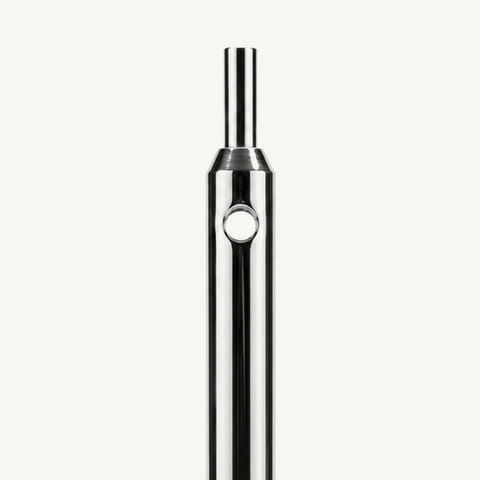
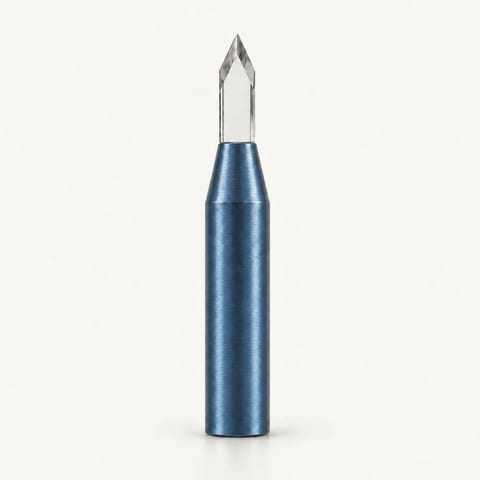
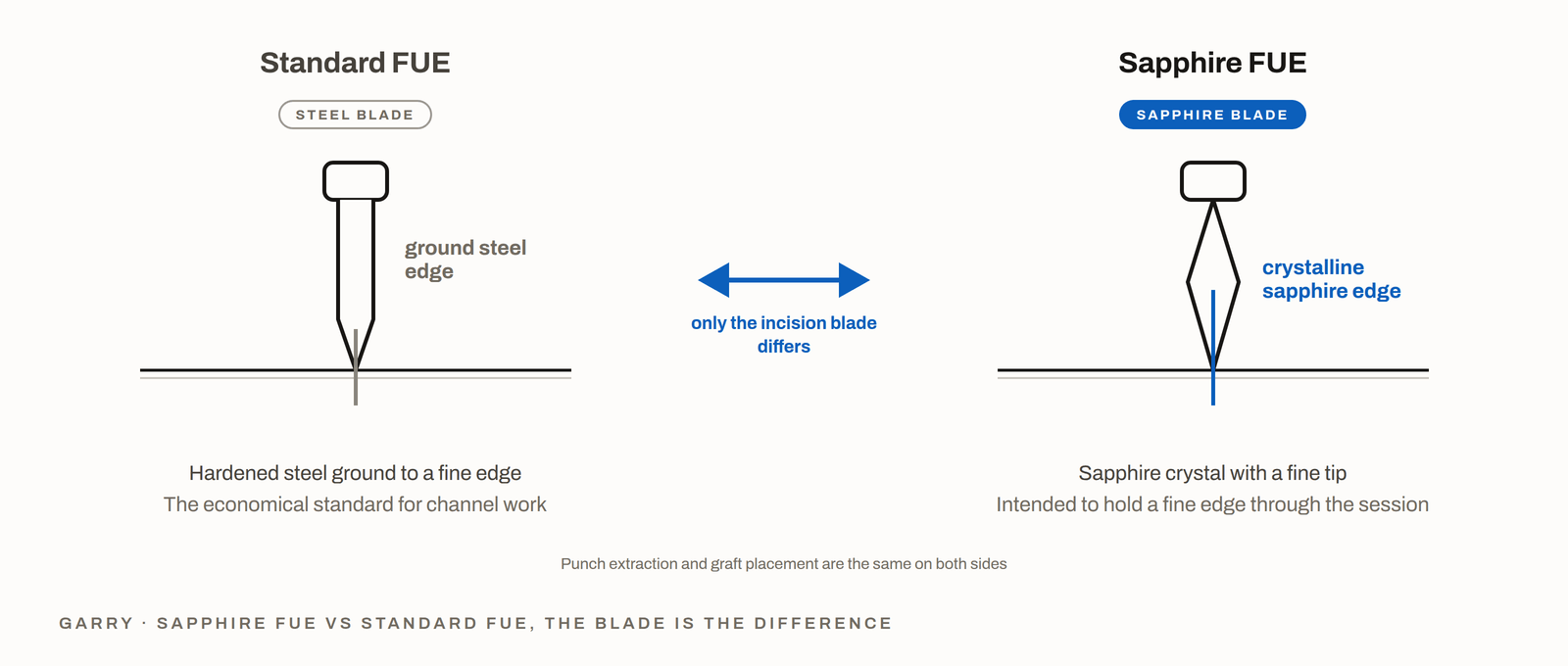
Sapphire FUE and standard FUE are the same operation with one instrument swapped. Extraction is performed with the same FUE punches, grafts are placed the same way, and the surgical plan does not change. The single difference is the blade that opens the recipient channels - hardened steel on one side, ground sapphire crystal on the other. Every genuine difference between the two follows from that blade. This comparison walks through the real differences one by one, from channel mechanics to economics, so a clinic can decide with facts. We make sapphire blades in Türkiye, and this comparison describes both materials as they are, without overselling either one.
The comparison at a glance
| What you are comparing | Standard FUE | Sapphire FUE |
|---|---|---|
| Extraction instrument | FUE punch, manual or motorized | Identical |
| Graft placement | Forceps or implanter pen | Identical |
| Incision instrument | Hardened steel slit blade | Sapphire crystal blade |
| Typical tip profile | Straight slit section | Fine tapered spear or slit |
| Depth control | Set by the holder | Set by the holder, same principle |
| Edge behavior over a session | Steel dulls gradually with use | Designed to hold its geometry through long sessions |
| Blade economics | Lower cost per blade | Higher cost per blade, judged per case over edge life |
| Main handling risk | Edge dulling | Edge chipping on impact against metal |
| Works with DHI placement | Yes | Yes |
What is identical on both sides
It helps to be clear about the shared ground first, because most of the confusion starts here.
Extraction is the same procedure with the same instruments. Punch diameter, edge geometry and working length are chosen from the donor and the graft calibers, exactly as described in our punch size guide, and nothing about choosing sapphire downstream changes a single decision at the donor area. Placement is also the same. Whether the team places with forceps into premade channels or uses implanter pens in a DHI style workflow, the material that opened the channel makes no difference to the placement stage.
The surgical plan is the same too. Hairline design, zone mapping, density decisions and donor management are clinical judgments that belong to the surgeon. No blade makes a plan better. This is why we tell buyers that Sapphire FUE is an incision-stage specification, not a new technique - the blade widths, blade lengths and order codes are on our sapphire blades page.
Where the blade change is actually felt
Three differences are real and mechanical, and they form the core of the comparison.
Edge consistency across the session. A recipient session asks one instrument to repeat a nearly identical incision a very large number of times. Steel edges dull gradually, and the operator compensates without noticing - a little more pressure, a slightly different feel late in the case. Sapphire sits far above hardened steel in hardness, and the crystalline edge is designed to keep its geometry from the first channel to the last. The design intent is that incision number one and the final incision of the day feel the same.
Tip geometry and channel walls. Sapphire blades are typically ground to a very fine tapered profile. A tip like that is designed to part tissue with minimal lateral displacement rather than pushing it aside, which is the mechanical basis for the dense packing workflows the technique is known for. Channels that disturb less of their neighborhood can sit closer together, where the plan calls for it.
The feel of entry. Surgeons who work by feedback describe the difference plainly, as a low-resistance entry that stays consistent. That is not a measurable clinical outcome and we will not dress it up as one, but it is a repeatable observation from teams who run both blades, and it matters most on long, high-count sessions.
What is not on this list is any claim about healing or growth. Those outcomes belong to planning, technique and patient factors that no instrument controls, so we publish no outcome figures for a blade. The material trade-offs are laid out at length in our sapphire versus steel comparison.
The economics - blade cost against edge life
Steel wins the per-blade price comparison and is likely to keep doing so. Ground steel slit blades are the economical standard, widely available, and forgiving of everyday handling. For clinics that run standard workflows at moderate volumes, steel remains a completely professional choice.
With sapphire, the useful question is what the incision stage costs per case at your session profile, rather than what the blade costs. A blade that holds its edge across long sessions changes how many blades a case consumes and how often the team changes instruments mid-case. Whether that arithmetic favors sapphire depends on your volumes, your session lengths and your reprocessing discipline, which is why we quote the incision stage as a configuration rather than publishing a list price. The reasoning is the same as in our guide to how instrument pricing works.
In summary, low-volume clinics often stay with steel on economics alone, high-volume clinics often find that the sapphire arithmetic works, and many experienced teams run both, zone by zone.
Handling, reprocessing and failure modes
The two materials fail differently, and the difference drives the handling rules.
Steel dulls. The failure is gradual, visible in the feel of the incision, and managed by replacing blades at regular intervals. Steel forgives contact with other instruments in a tray, which keeps its handling discipline simple.
Sapphire chips. The crystal holds its edge under normal cutting loads but does not forgive impact against metal. The blade travels in a dedicated slot, is cleaned by flow and immersion rather than wiping, and gets a brief magnified tip inspection before each session. None of this is difficult, but it must be decided before the first case, not after the first chipped tip. Both materials follow the same point-of-use rinse discipline and steam sterilization per the product instructions, with a protective case making the routine easier to keep.
How clinics actually decide
Among our own customers, the decision usually falls into one of three patterns.
- Steel as the standard, sapphire where it adds value. This is the most common configuration in experienced teams. Steel carries routine channel work, and sapphire is reserved for hairline zones and dense packing plans where its tip geometry matters most.
- Full sapphire adoption. Clinics that market the technique by name often standardize on it completely, both for workflow consistency and because their patient communication is built around it. Nothing about the instrument set argues against this; chosen deliberately, it is a valid configuration.
- Steel only, deliberately. Clinics whose case mix does not reward the change keep steel, which remains a professional choice.
A trial on your own protocol shows the difference where you actually work, which is why a small first order across the widths you are considering can be priced through a quote request.
Questions buyers ask about this comparison
Is Sapphire FUE simply better than standard FUE? No tool is simply better. Sapphire brings edge consistency and a finer tip geometry to the incision stage at a higher blade cost and a stricter handling discipline. Whether that trade is worth it depends on your case mix, volumes and zones - not on the name.
Do we need different training to switch? The incision gesture is the same and depth stays holder-controlled. The real adjustments are organizational - tray layout, inspection habit and width planning.
Can both blades run in the same case? Yes. Holders make switching straightforward, and zone-by-zone mixing is one of the most common real-world configurations - sapphire for the hairline, steel for the mid-scalp bulk, chosen per plan.
Does the choice affect DHI? No. DHI names the placement method and this comparison lives entirely at the incision stage - the two decisions are independent, as our DHI versus FUE instrument comparison explains.
What should a first sapphire order contain? A short width ladder chosen from your graft calibers and zone plan, the blade format confirmed against your holders, and a small first order to evaluate before standardizing. The width and holder logic is on our sapphire blades page.
Ordering sapphire blades
If sapphire fits your clinic, the ordering conversation is short - describe your zone plan, session profile and current setup through the quote form and we will confirm sapphire blade widths, blade lengths and order codes from our facility in Türkiye. We reply within 24 hours on business days, and dealers evaluating the line can apply for a partner account for ongoing terms.