What Is Micro FUE? An Instrument Maker's Answer
Micro FUE is not a separate surgical technique. It is standard follicular unit extraction performed with small diameter punches, and the threshold for the label is set by clinic marketing, not by any standards body. What the name really means at the instrument level.
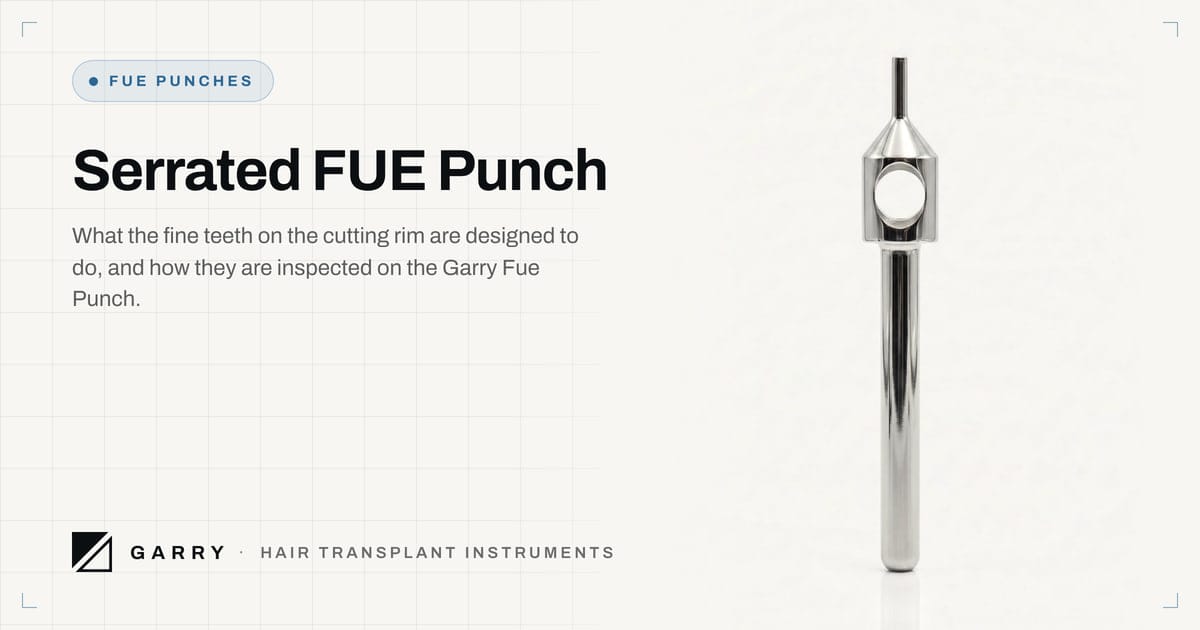
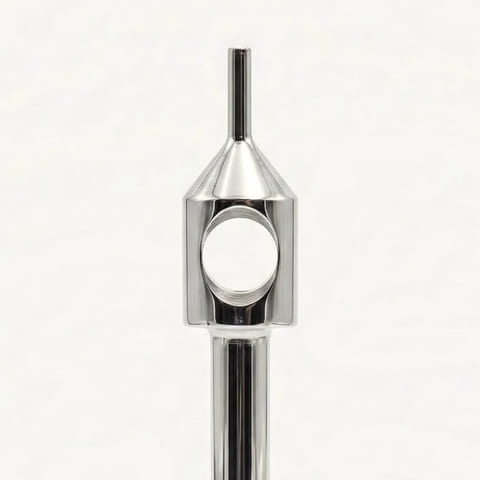
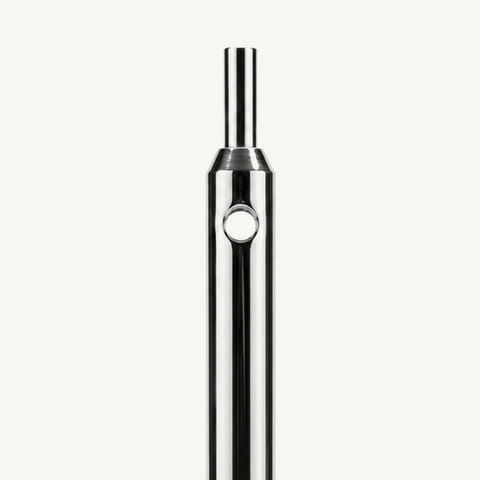
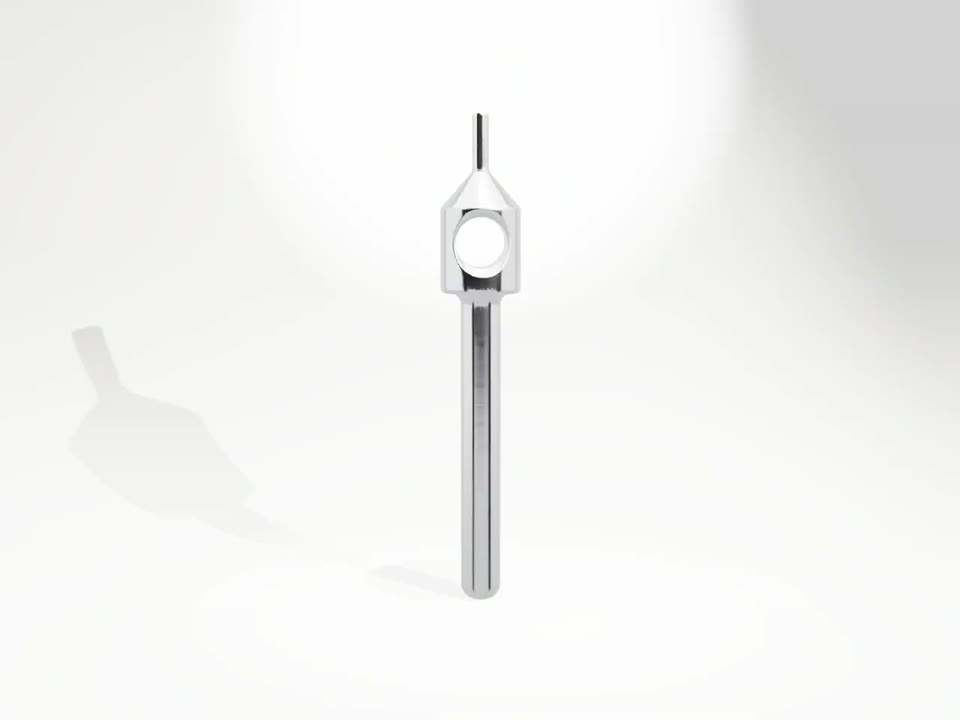
Micro FUE (sometimes written microFUE) is not a distinct surgical technique and does not involve a separate device class. It is standard follicular unit extraction performed with punches at the fine end of the diameter range, and the "micro" label is applied by clinics for communication, not defined by any standards body or regulator. In practice the term usually points at punch diameters around 0.9 mm and under, which is simply the modern FUE punch range - the entire Garry punch line runs from 0.6 to 0.9 mm.
Where the name comes from
Patients meet "micro FUE" in clinic marketing, where it signals fine diameter extraction and small donor marks. Because no body defines the threshold, one clinic's micro FUE is another clinic's ordinary FUE performed with the same punch. From the instrument side, the description is short. It is FUE in which the punch diameter is chosen at the finest end of the range suited to the patient's graft calibers.
That is not a criticism of the term. Names like this do useful work in patient communication, exactly as Sapphire FUE does for the incision stage. But a clinic buying instruments should translate the name back into specifications before ordering, because the catalog does not contain a product called "micro FUE device". It contains punch diameters.
What "micro" actually changes at the punch
| What changes | Why it matters |
|---|---|
| Diameter | A smaller bore encircles less tissue per graft, which is the design intent behind smaller donor marks. Every punch leaves a mark; a finer punch is designed to leave a finer one. |
| Caliber matching | Diameter must still match the follicular unit. A punch too narrow for a three-hair unit works against the graft instead of around it. Fine diameters pair naturally with fine, single-hair calibers. |
| Wall and edge quality | As diameter drops, wall thickness and edge grinding tolerances matter more. There is less steel doing the same job, so manufacturing consistency becomes the difference between a fine punch and a fragile one. |
| Operator demand | Smaller bores leave less margin for angle error at entry. Teams typically move down the diameter ladder as extraction discipline matures, not before. |
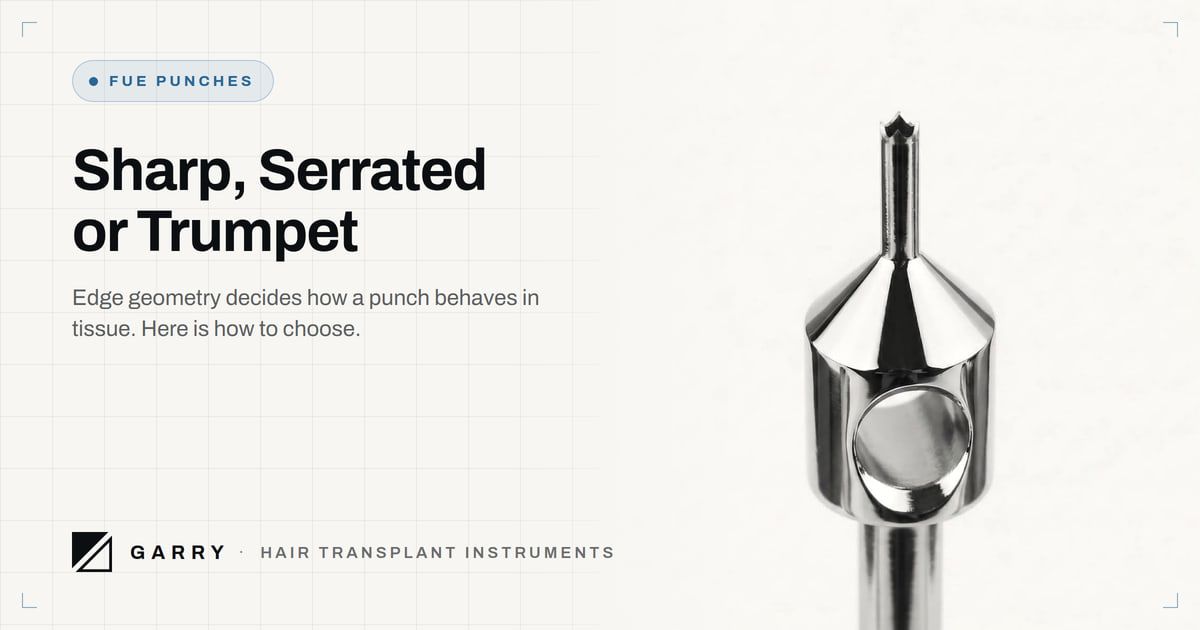
The full sizing logic, including working lengths, is covered in our FUE punch size guide, and the edge geometry side in Sharp, Serrated or Trumpet.
Micro FUE and Sapphire FUE name different stages
The two most searched FUE qualifiers describe different parts of the same operation, and they are frequently combined in a single case.
- Micro FUE describes the extraction stage - fine punch diameters in the donor area.
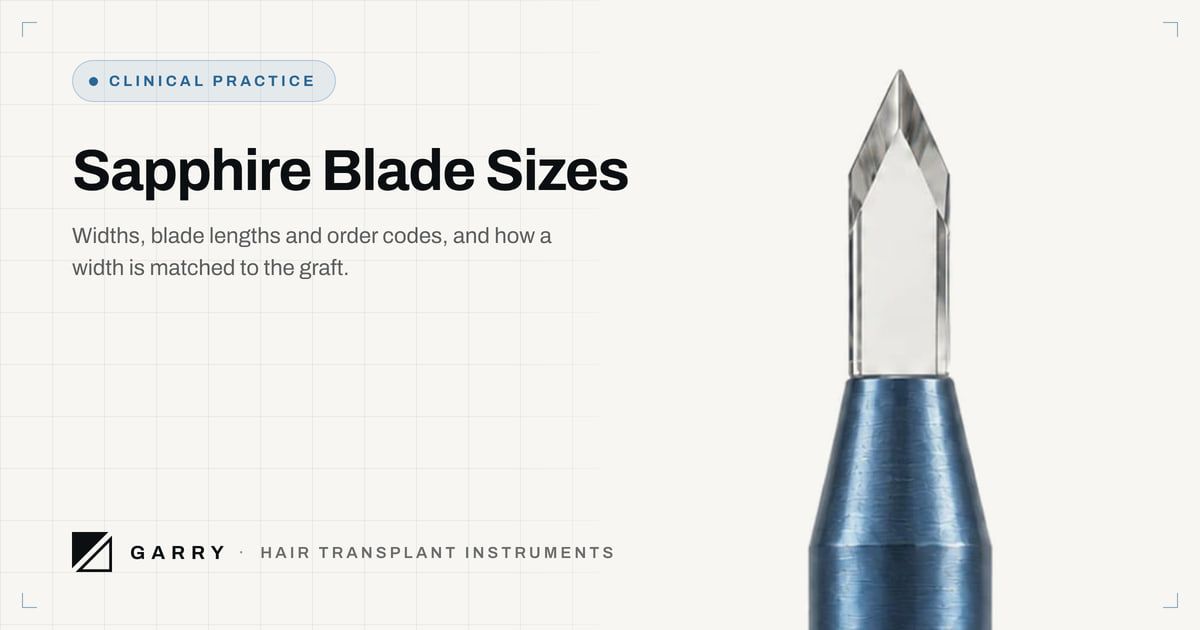
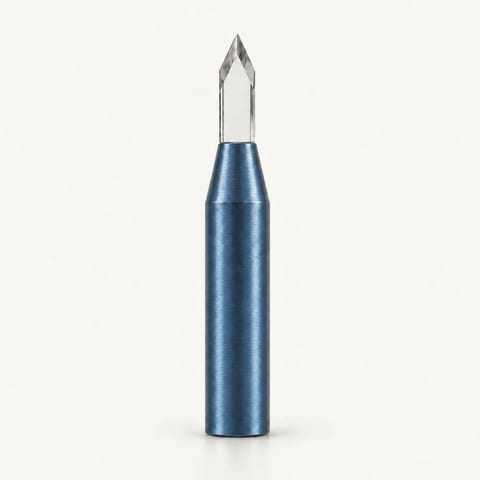
- Sapphire FUE describes the incision stage - recipient channels opened with sapphire blades instead of steel slit blades.
A clinic can run both at once, and many do. Neither name changes what happens at the other stage. Our sapphire vs steel comparison covers the incision side of that pairing.
What to order if your protocol is "micro"
Translate the label into a diameter plan. Most teams stock a short ladder of diameters and select per donor rather than committing to a single size - fine diameters for single-hair units and hairline work, the middle of the range for mixed calibers. The punch size matrix lists all 35 diameter and working-length combinations with their order codes.
If you are standardizing a fine-diameter protocol and want to see how the punches behave with your own extraction technique before committing, request a quote and ask for a mixed evaluation set across the diameters you are considering. We reply within 24 hours on business days.