
Point-of-Use Care - The Ten Minutes That Decide an Instrument's Decade
What happens to an instrument in the first minutes after a case has more effect on its service life than anything the SPD does later. A practical point-of-use protocol.
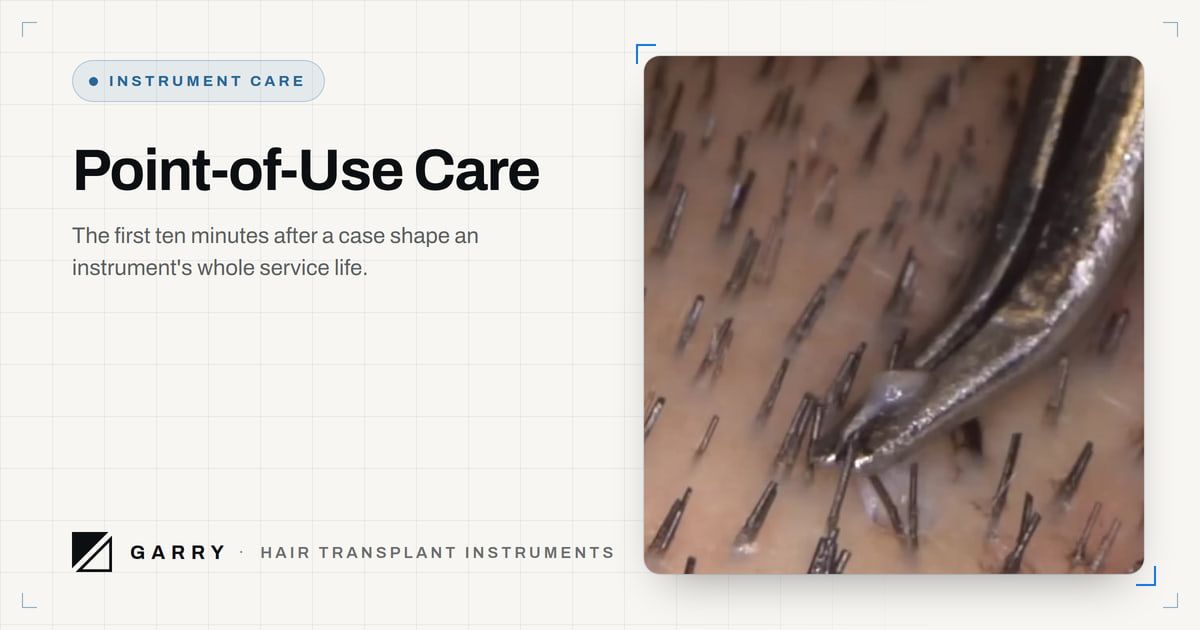
By the time a soiled tray reaches decontamination, the most important care window may already have closed. Blood begins to corrode martensitic stainless steel as it dries, and dried proteins bond to surfaces so firmly that they shield bioburden from cleaning. Point-of-use care - the last ten minutes of the case - is where instrument budgets are actually spent or saved.
The point-of-use protocol
- Wipe gross soil during the case. A damp sponge pass over jaws and serrations, especially on toothed forceps and rongeur cups, helps prevent the hardest cleaning failures.
- Keep instruments moist after the case. An enzymatic pre-treatment spray or a towel dampened with water - never saline - stops soil from setting during transport.
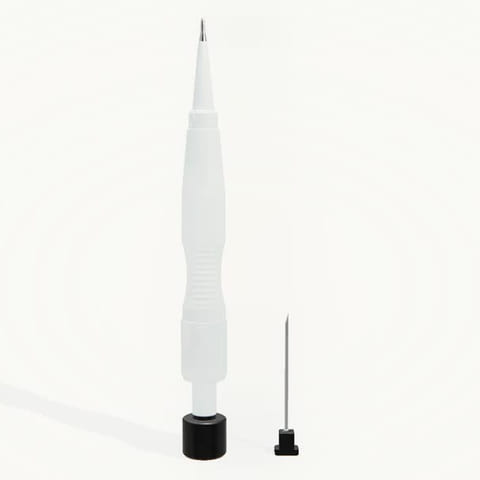
- Open everything. Leave hinges open and disassemble take-apart instruments per the IFU. An assembled implanter pen keeps bioburden sealed inside, like a closed container.
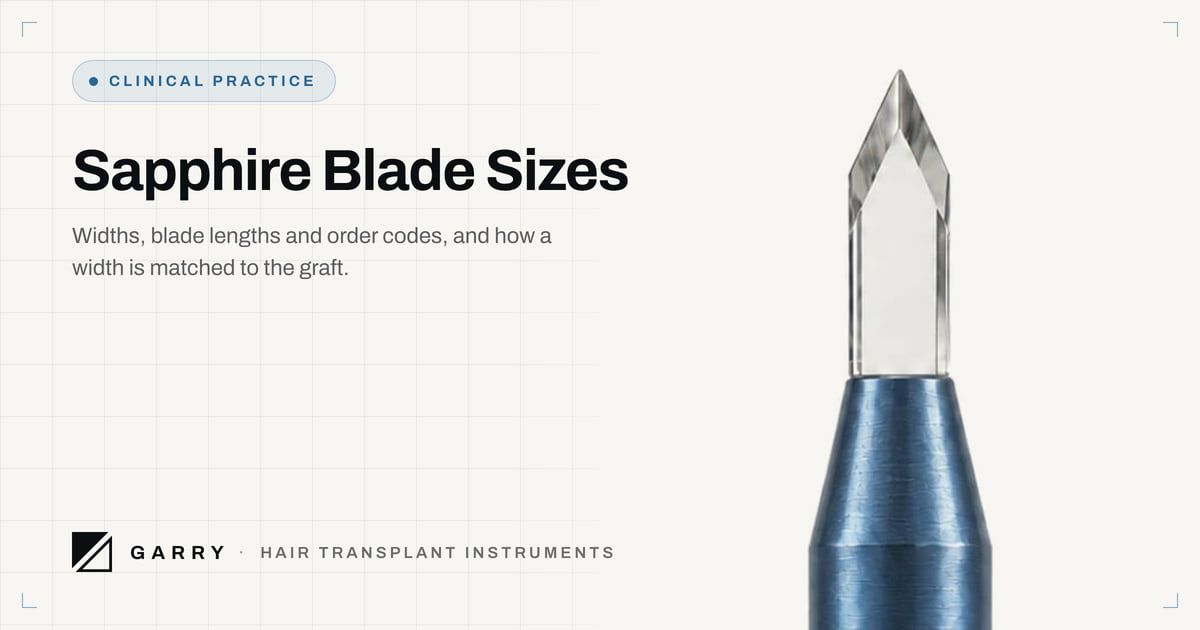
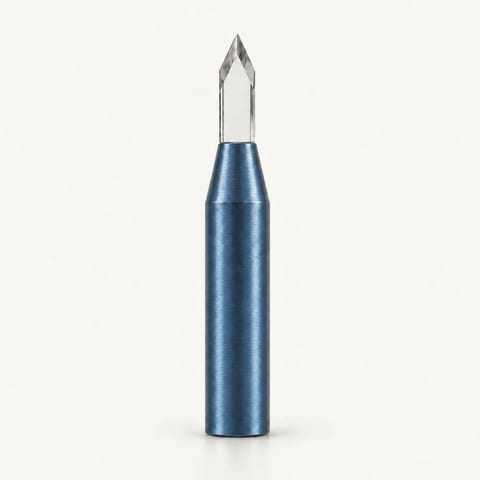
- Segregate delicate instruments. Sapphire blades and fine punches travel in fixation trays or on top of the set, never loose under heavier handles.
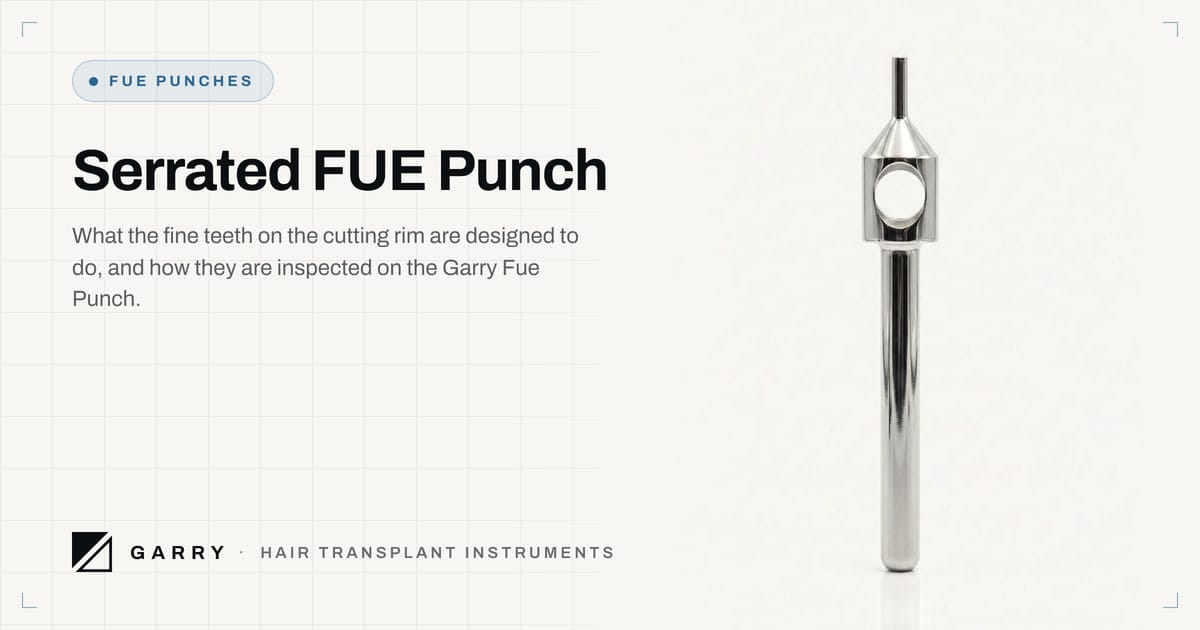
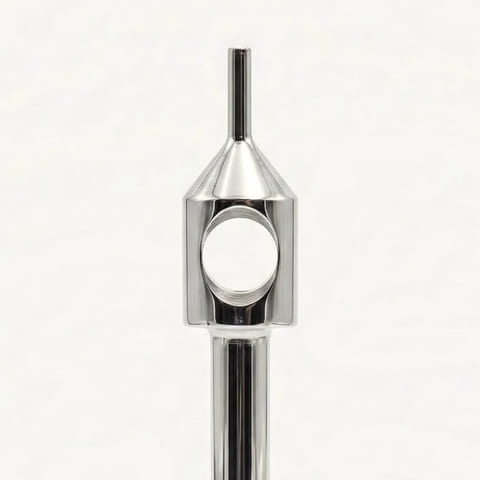
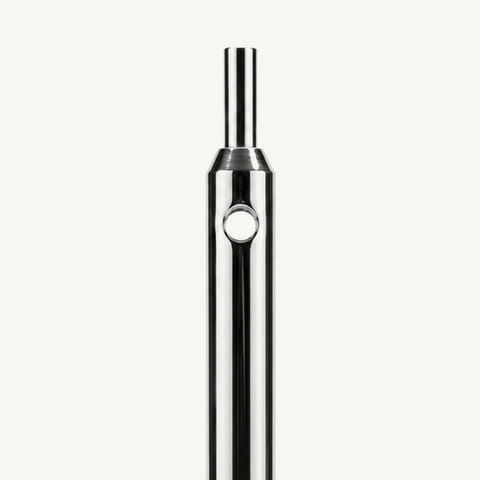
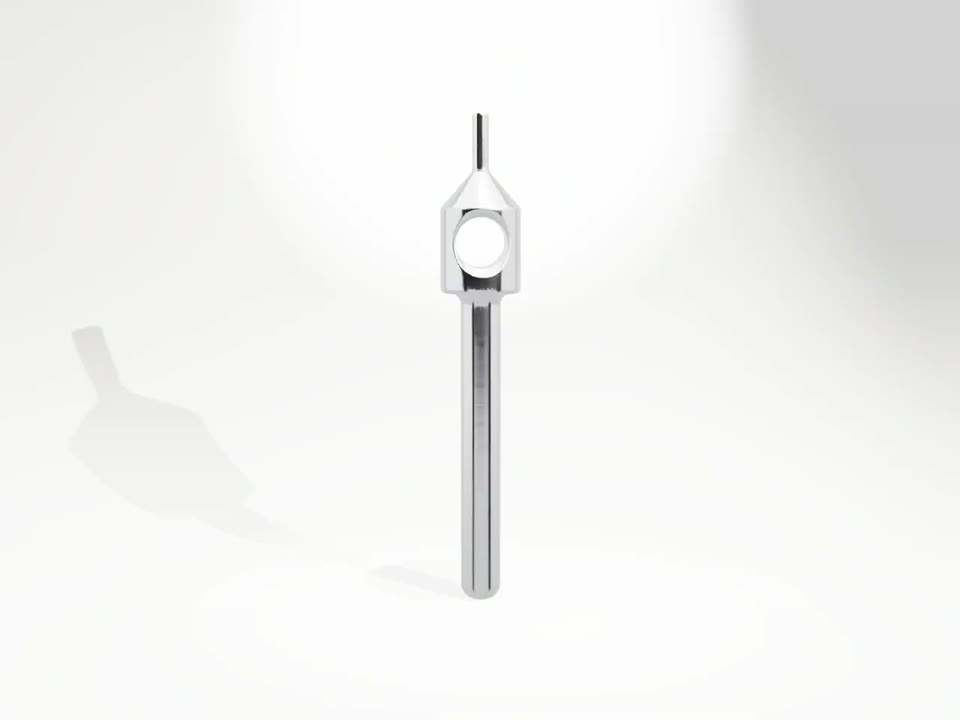
- Flush lumens and channels - punch bores and implanter needle channels - with water before debris dries in spaces no brush fully reaches.
What never belongs near instruments
- Saline. One of the most instrument-destructive liquids in the building. Rinse it off; never soak in it.
- Prolonged soaking in anything, including water - extended immersion invites crevice corrosion at joints.
- Instruments used as screwdrivers, pry bars or can openers. Bent Mayo scissors are a familiar sight in sterile processing for this reason.
What this means for costs
Facilities that implement disciplined point-of-use treatment often see fewer repairs and replacements. Stiff joints, stained box locks, pitted serrations and dull edges are mostly damage from chemistry and time rather than surgical wear.
An instrument is a precision mechanism that happens to be sterilizable. Treat the last ten minutes of the case as the first step of reprocessing, and the rest of the chain gets easier.
Soft brushes and a steam-permeable lubricant support this protocol, and reprocessing questions about any Garry instrument are answered in writing.