
Carrying a Hair Transplant Instrument Line - A Dealer Guide
What medical dealers and distributors should evaluate before adding a hair transplant instrument line - market shape, margin structure, supply reliability, and what separates a supplier from a partner.
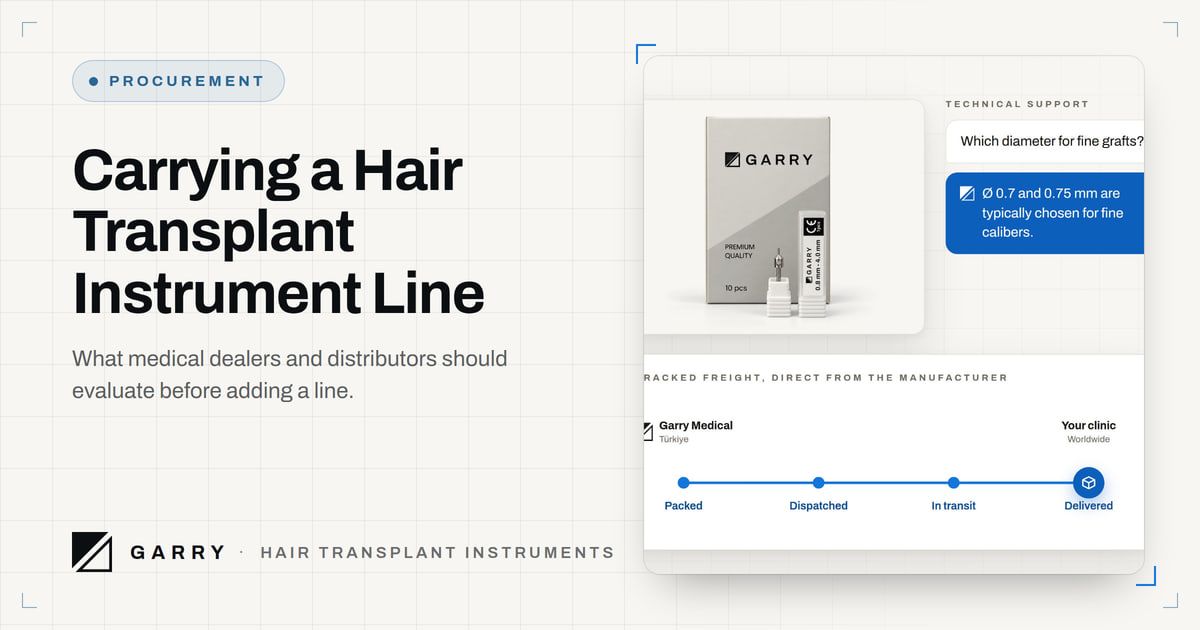
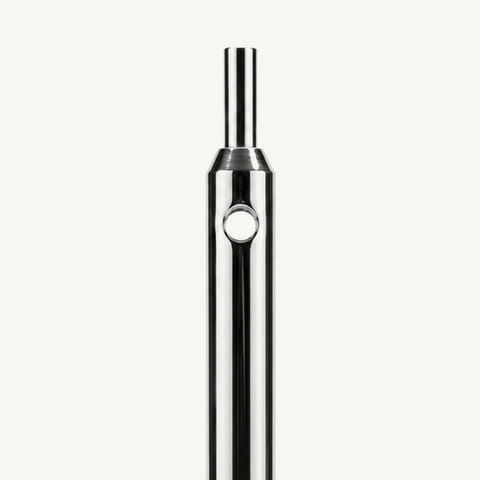
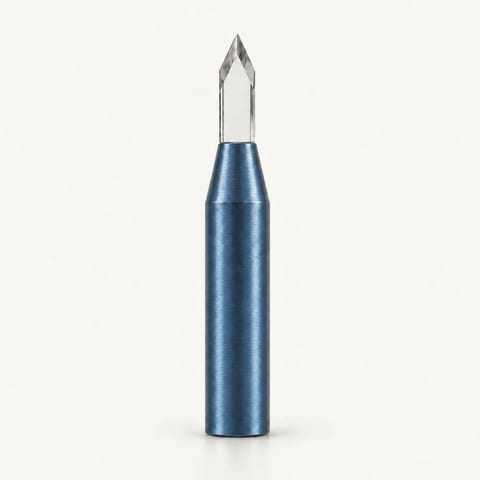
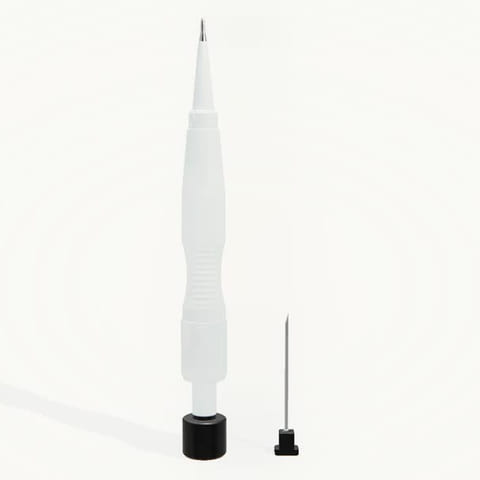
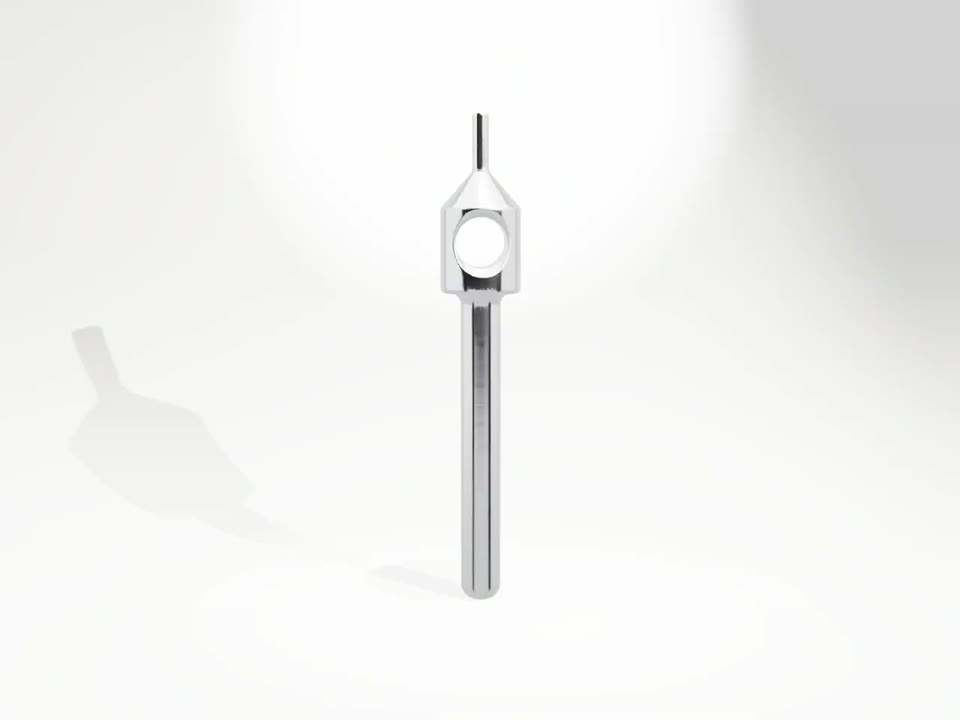
Hair transplant instruments are a specialist, relationship-driven category with a small number of buyers who purchase repeatedly. For a dealer, the economics rest on repeat, consumable-style orders (punches by size, blades, implanter needles) from a stable clinic base, not on one-off equipment sales. The evaluation therefore centers on supply reliability, manufacturing identity and sizing discipline, because those are what clinics judge dealers on.
The shape of the market
The buyers are clinics and surgeons, concentrated in hair restoration hubs with a steady presence everywhere else. Search demand for these products is small; purchasing runs through relationships, congresses and direct outreach far more than through shopping queries. That favors dealers. A distributor with clinic relationships can add a line profitably where a consumer-style web shop would struggle. It also means the supplier's job is to make the dealer credible in front of a demanding clinical buyer.
What to evaluate in a supplier
- Manufacturing identity. Dealers inherit their supplier's credibility. A line that is designed, machined and inspected by the company selling it can be defended in a clinic meeting; a relabeled line cannot. Ask process questions and expect real answers; ours are on the manufacturer page.
- Sizing and reorder discipline. Clinics reorder by exact size. A catalog where every size carries its own order code means your customer service team does not have to guess what "the usual punches" meant.
- Direct from the manufacturer. A line that reaches you from the bench that machined it, with no importer in between, is what lets a dealer answer a clinic's question directly and quote without a hidden layer of margin. Verify who you are actually buying from before making commitments to your own customers; we state plainly where we stand today, in writing.
- Territory and channel clarity. How the manufacturer handles dealer territories, direct inquiries from your market, and pricing tiers. Ambiguity here is what breaks dealer relationships, so ask early.
- Support behind you. At the start, technical questions from your clinics will go beyond your team's knowledge. A supplier desk that answers within a business day is part of the product.
What carrying the line involves
| Area | What it means in practice |
|---|---|
| Inventory | A working stock of fast-moving sizes; slower sizes ordered as needed, with the lead time stated on the quotation |
| Knowledge | Enough instrument literacy to hold a clinic conversation; our glossary and guides are written with sales team onboarding in mind |
| Demonstrations | Instruments to show at congresses and clinic visits; approved dealers ask for them in a quote request and we answer in writing |
| Marketing | Brand assets you can legitimately use; the press kit is downloadable without asking |
| After-sales | Receiving claims, warranty questions and reprocessing queries, with the manufacturer desk behind you |
How to become a Garry dealer
We sell through appointed dealers, and the path is straightforward. You apply for a dealer account, we verify the application, and once it is approved your team receives portal access with dealer pricing, direct ordering by order code and supply straight from our facility in Türkiye. Dealer applications describing the markets and specialties you cover get the fastest useful reply. If you prefer to start smaller, price a first stock order through a quote request and open a dealer account later.