
Gravity or Prevacuum - Choosing the Right Autoclave Cycle for Surgical Instruments
Both cycle types reach 134 °C, but they get steam to the instrument surface in very different ways. Here is how to match cycle to load - and what lumened and hinged instruments actually require.

Steam kills microorganisms by direct contact, so saturated steam must touch every surface of the instrument for the full holding time. The difference between gravity and prevacuum cycles is simply how the air that blocks that contact gets removed.
How the two cycles work
- Gravity displacement - steam enters the top of the chamber and, being lighter than air, pushes air down and out through a drain. The cycle is simple and robust, but air removal is passive, so air pockets can survive inside lumens, box locks and densely loaded containers.
- Prevacuum (dynamic air removal) - a vacuum pump actively evacuates the chamber in pulses before steam injection. Air is removed mechanically, so steam penetrates lumens, wrapped sets and rigid containers far more reliably.
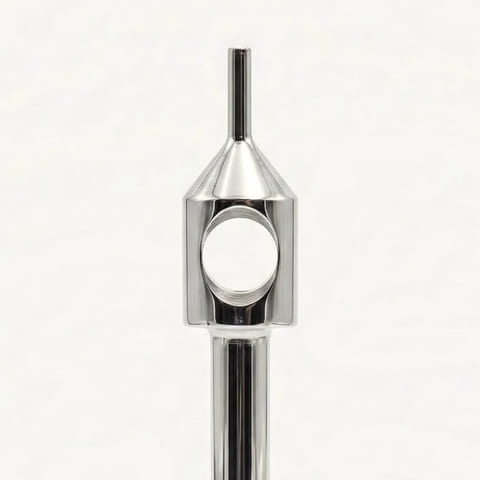
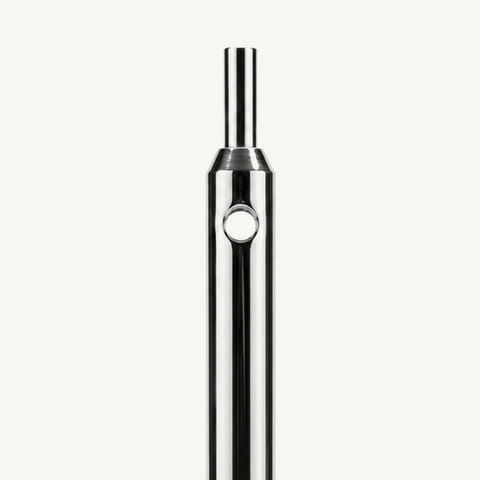
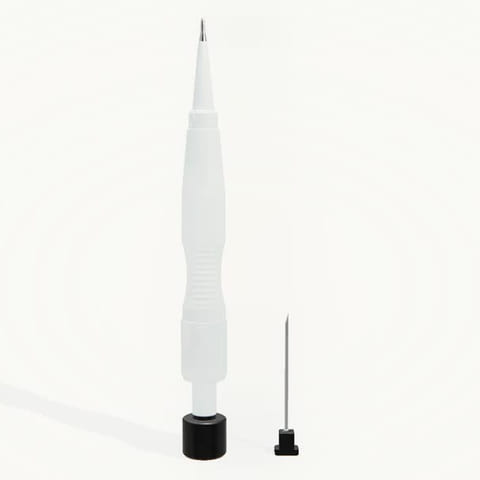
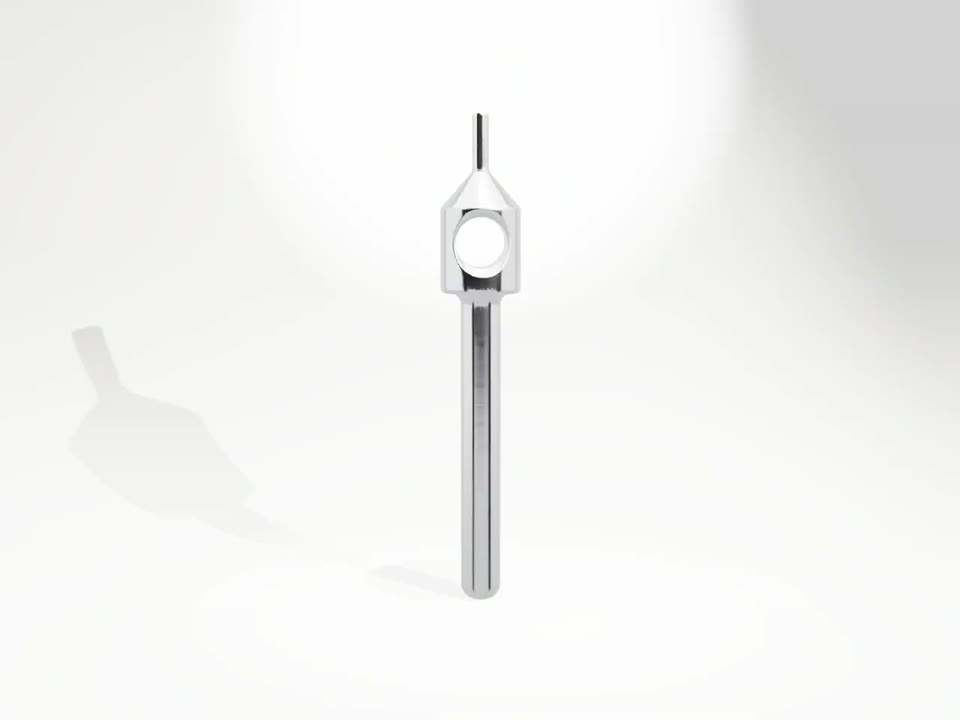
For a solid, unwrapped instrument like a punch handle, either cycle sterilizes effectively. The moment you add complexity (a lumened FUE punch, a spring-loaded implanter pen, a wrapped tray, a rigid sterilization container), prevacuum stops being a preference and becomes the correct engineering choice.
Typical cycle parameters
- Gravity, 121 °C - 30 minutes exposure, longer dry time
- Gravity, 132-134 °C - 10-15 minutes exposure
- Prevacuum, 132-134 °C - 3-5 minutes exposure, 20-30 minutes dry
- Always defer to the sterilizer manufacturer's validated parameters and the instrument IFU
Shorter exposure with higher assurance is why nearly every modern sterile processing department standardizes on prevacuum for porous and complex loads.
What the instrument side requires
Cycle choice only matters if the instrument presents its surfaces to steam.
- Open every hinge and disassemble what the IFU says comes apart, because an assembled implanter pen shields its own internals from steam.
- Load containers and trays so condensate drains; pooled water means wet packs and staining.
- Do not exceed validated tray weights, because dense metal mass extends come-up time without any visible sign.
A sterilizer validates a cycle. It cannot validate a closed box lock, an overloaded tray or a blocked container filter. Loading discipline is part of sterility assurance.
Air removal has a test for a reason
Prevacuum sterilizers run a daily Bowie-Dick test precisely because their advantage, active air removal, fails silently when pumps or gaskets degrade. If your Bowie-Dick results drift, treat it as an instrument-safety issue rather than a maintenance formality, because incomplete air removal produces instruments that look processed but are not.
Reprocessing questions about any Garry instrument are answered in writing. When in doubt, the IFU wins over habit.